


CAN@net Basic
On request
Stock SE
Request for quote
Ask a question
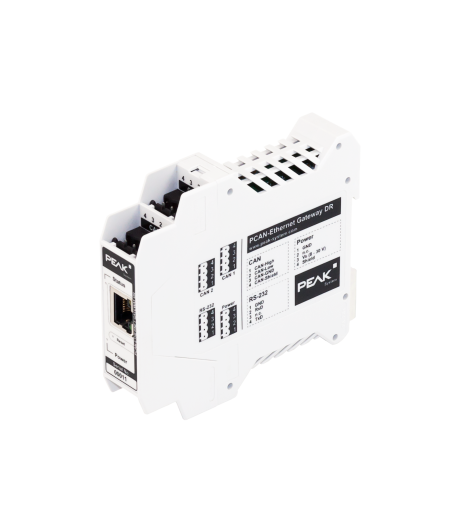
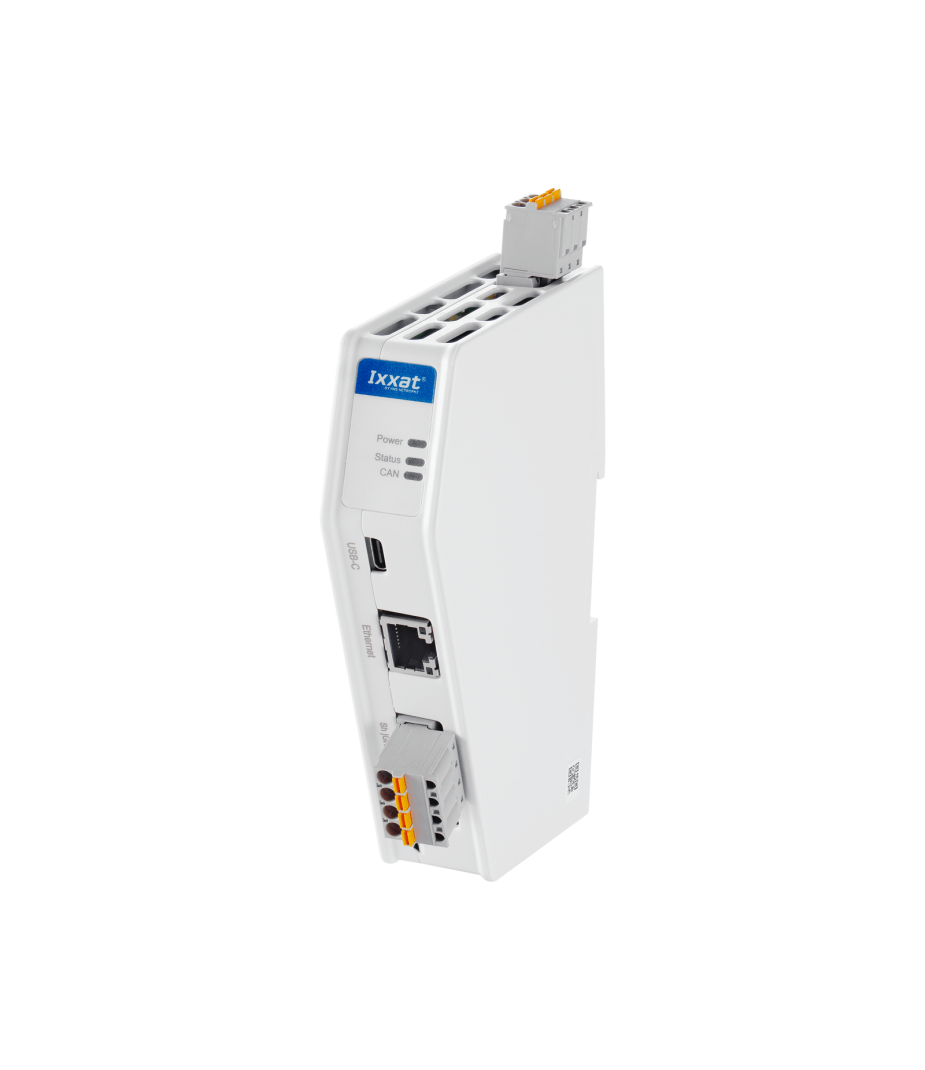
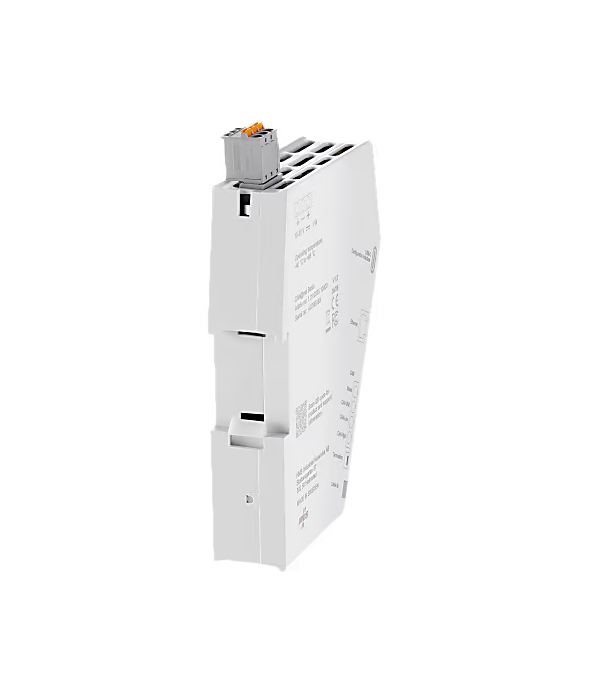
The Ixxat CAN@net Basic is a versatile and powerful CAN-to-Ethernet gateway that seamlessly connects CAN FD networks. In addition, the gateway provides devices with access to CAN networks via LAN or the internet. This ensures efficient and reliable communication between different systems. Furthermore, the solution supports applications in industrial automation, mechanical engineering, and automotive networks.
As a CAN-Ethernet-CAN bridge, the CAN@net Basic enables data exchange over long distances via UDP/IP. It utilizes existing Ethernet infrastructures, saving you costs and eliminating the need for complex cabling. During communication, segmentation further enhances the reliability and fault tolerance of the entire system. Additionally, the gateway supports filter and ID translation functionality for optimal data processing. This ensures the system processes only relevant CAN messages. Configuration is straightforward using the included Windows® software.
Compared to the CAN@net NT series, however, this variant offers only the most frequently requested features. As a result, the CAN@net Basic is an efficient and affordable solution for standard applications. Please refer to the overview below for the key differences between the two series.
The CAN@net series from Ixxat is available in various variants. Below is an overview of the most important similarities and differences per variant.
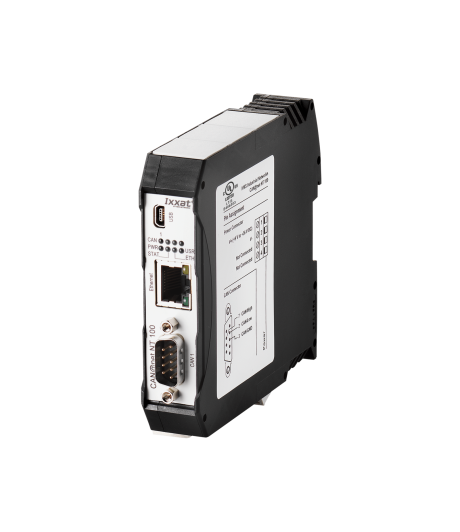
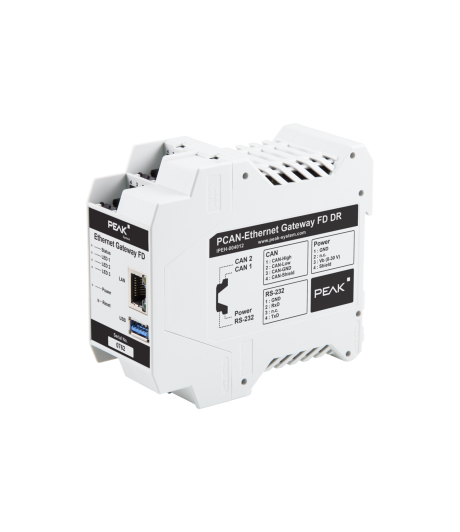
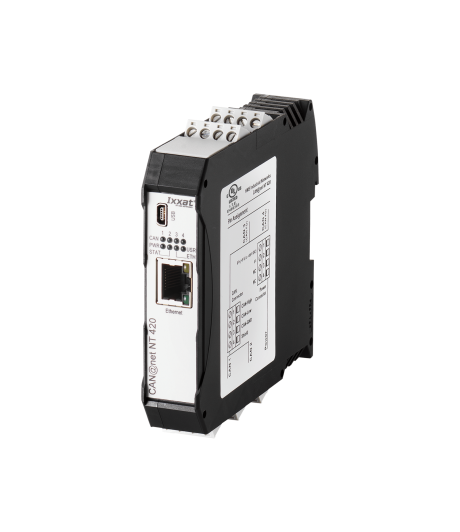
| Functions | CAN@net Basic | CAN@net NT 100 | CAN@net NT 200 | CAN@net NT 420 |
|---|---|---|---|---|
| Galvanic isolation | ||||
| CAN | ||||
| Total CAN-channels | 1 | 1 | 2 | 4 |
| CAN FD support | 1 | 2 | ||
| Galvanic isolation | 2,5 kV | 1 kV | 1 kV | 1 kV |
| Termination | ||||
| Connector | Push-in | D-Sub 9 | Screw | Screw |
| Ethernet | ||||
| Protocol | UDP/IP | TCP/IP UDP/IP |
TCP/IP UDP/IP |
TCP/IP UDP/IP |
| Functionality | ||||
| PC Interfacing | ASCII Generic C-API ixcan |
ASCII Generic C-API ixcan VCI Windows ECI Linux |
| Filtering | Limited | |||
| Action rules | Limited | |||
| LUA | ||||
| MQTT | ||||
| Configuration | ||||
| PC Interfacing | USB C | Mini-USB 2.0 Ethernet |
Mini-USB 2.0 Ethernet |
| Config software Windows® | Basic | |||
Features and benefits
- Combines 1x CAN FD or CAN in one gateway
- CAN to CAN or CAN to PC/Server gateway
- Easy coupling of CAN systems and devices
- Allows system expansion and tree/star topologies
- Simplify and optimise CAN networks
- Increased system reliability
- Galvanic Isolation between network and gateway
- CAN FD communication up to 8 Mbit/s connector
- Cost savings due to simple wiring
Tech Specs
CAN FD Mode
nonISO CAN FD
CAN FD Baudrate
Data rate max 8 MBit/s
CAN FD Transceiver
CAN Mode
CAN Baudrates
Galvanic Isolation
Connector
Ethernet
Ethernet Protocol
UDP Broadcast/Multicast
Power Supply
Temperature
Storage -40 °C to +85 °C
Dimensions
Certification
CAN@net Basic
The CAN@net Basic offers a variety of functionalities that can be flexibly deployed in any desired application.
CAN-to-Ethernet Gateway
In gateway mode, the CAN@net Basic can be accessed directly from e.g. Windows®, Linux, VxWorks, and QNX-based systems, as well as from embedded environments. Communication takes place via a standard TCP/IP socket and uses a simple ASCII protocol for this purpose. As a CAN Ethernet Gateway, the CAN@net Basic offers simple and flexible access to CAN FD or CAN, via a LAN or via the internet.
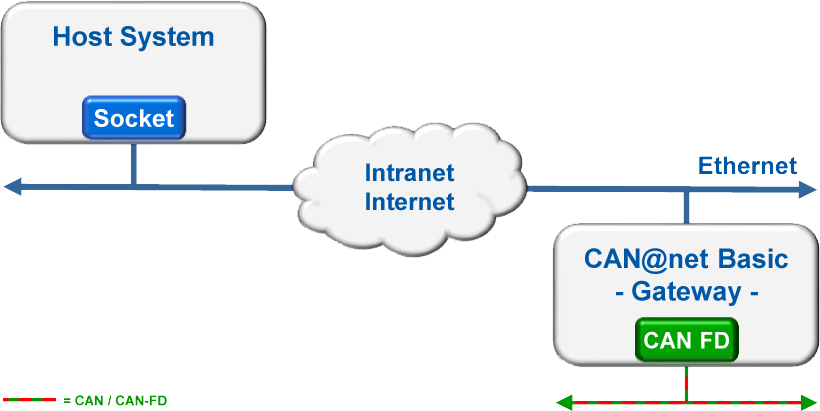
For the interfacing, the free source code C API ixcan allows applications with CAN interfacing to be built without the need for an additional (kernel) driver.
CAN-to-Ethernet-CAN Bridge
In the CAN Ethernet Bridge operating mode, two CAN@net Basic devices are connected to each other via UDP over Ethernet to link two physically separated CAN FD/CAN networks and thus form a shared logic network. One device must be configured as the primary CAN Ethernet Bridge and the other as the secondary CAN Ethernet Bridge. The primary device automatically detects the baud rate of the connected CAN bus and sends it to the secondary device. Optionally, different baud rates can be set so that they can be used in networks with different speeds. Additionally, message filtering can be configured so that only defined CAN messages are forwarded to the other network.
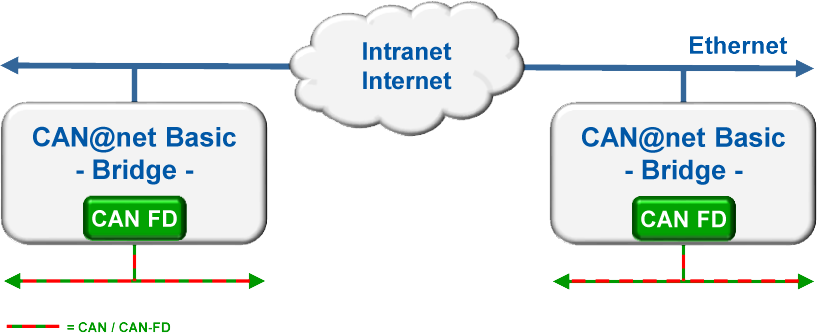
CAN-to-Ethernet-CAN Multi-Bridge
Up to 64 CAN@net Basic devices can be connected to each other in CAN-Ethernet Bridge mode via UDP multicast over Ethernet to link multiple spatially separated CAN networks into one shared logical network.
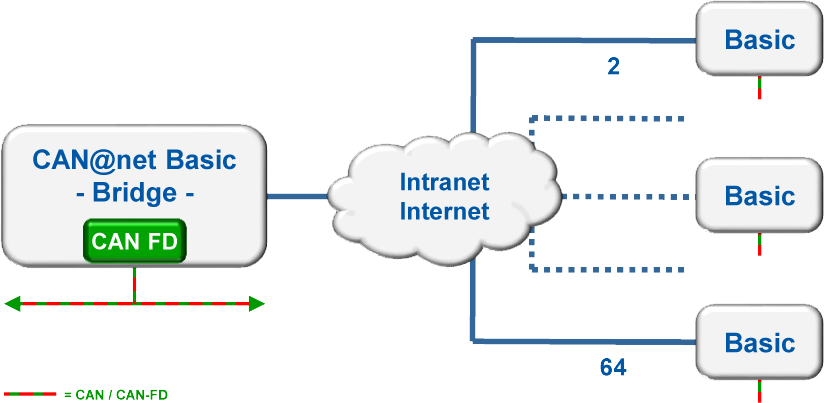
All devices must be configured in CAN-Ethernet Bridge mode for this. Each device requires a unique IP address, whereas a shared UDP multicast address is used for all devices. Different baud rates can be defined for each device. Message filtering can also be configured to forward only selected CAN messages.
CAN@net Basic
Configuration and firmware update
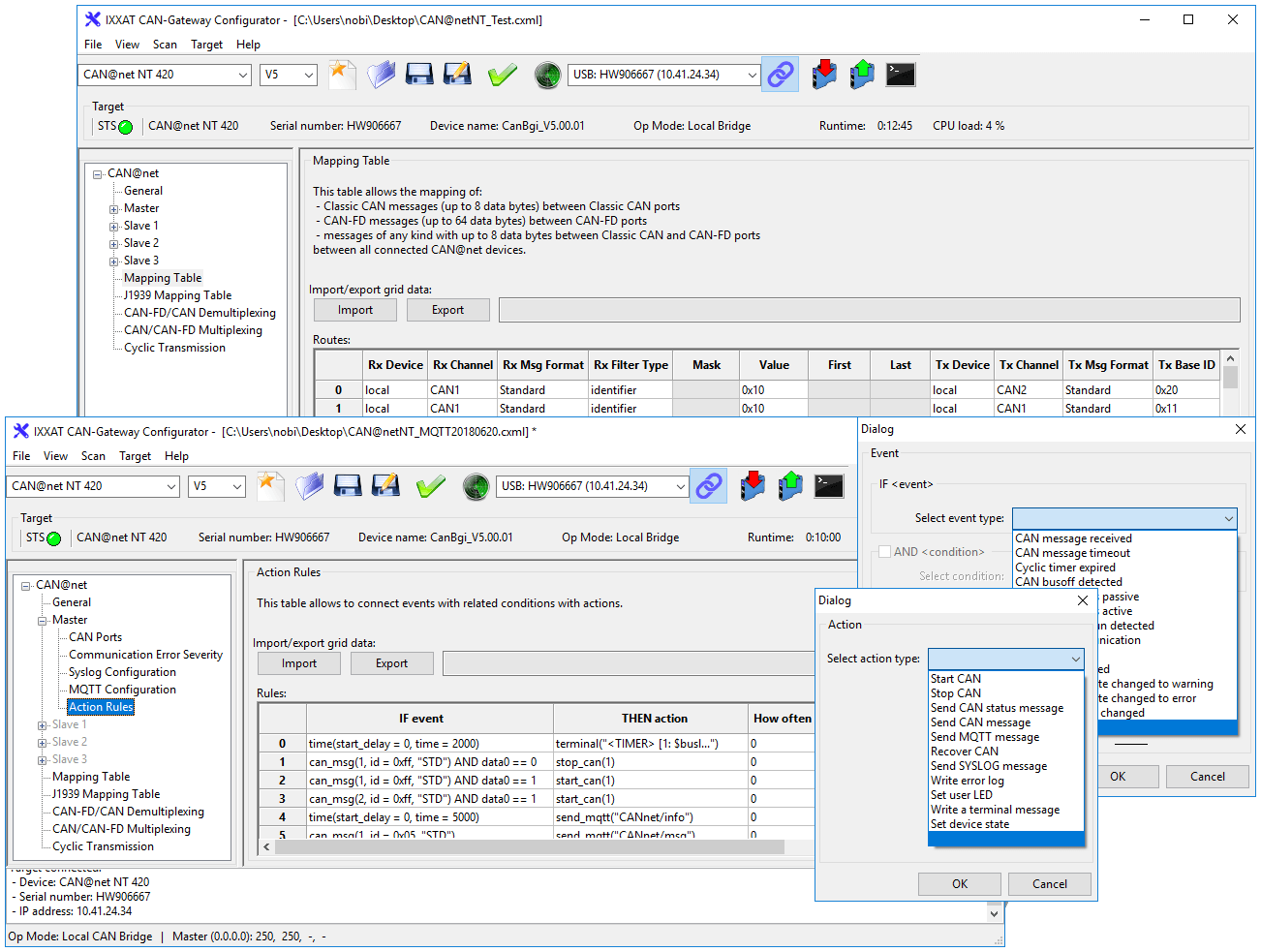
Using an easy-to-operate Windows® configuration tool, the CAN@net Basic can be configured and firmware updates can be performed either locally via USB or remotely via the Ethernet interface. The tool makes it very easy to configure filter, mapping or translation rules without any programming knowledge.. With the tool, the configuration of filter, mapping or translation rules can be carried out very easily, without programming skills.
With the help of mapping tables, the exchange of messages between all channels can be configured very flexibly. Filter and conversion rules can be applied to the CAN FD/CAN messages. As a result, the bus load in the individual networks can be reduced since only relevant messages are transmitted to the other network.
ASCII Ethernet messages
In Gateway Mode, the CAN@net Basic exchanges standardised ASCII messages via UDP. The message format used is fully documented and available for download. Using the examples provided, UDP Packet Handling can be used to exchange messages between the CAN@net Basic and a device with an Ethernet connection.
C-API ixcan
The Ixxat C-API ixcan is a programming interface for C applications that allows software to communicate directly with the Ixxat CAN@net Basic gateways. The API translates C function calls into ASCII commands according to the ASCII Gateway Mode of the CAN@net NT. This allows developers to send, receive, and process CAN messages without having to fully implement the underlying ASCII protocol themselves. C-API ixcan can be easily implemented in any application or Operating System without the need for an additional (kernel) Device Driver. The API is not compatible with the Ixxat VCI driver.
The Ixxat C-API ixcan is intended for specialized technicians familiar with ASCII, CAN, CAN FD, and programming in C.
FAQ
-
Is there a CAN terminating resistor built into the CAN@net Basic?
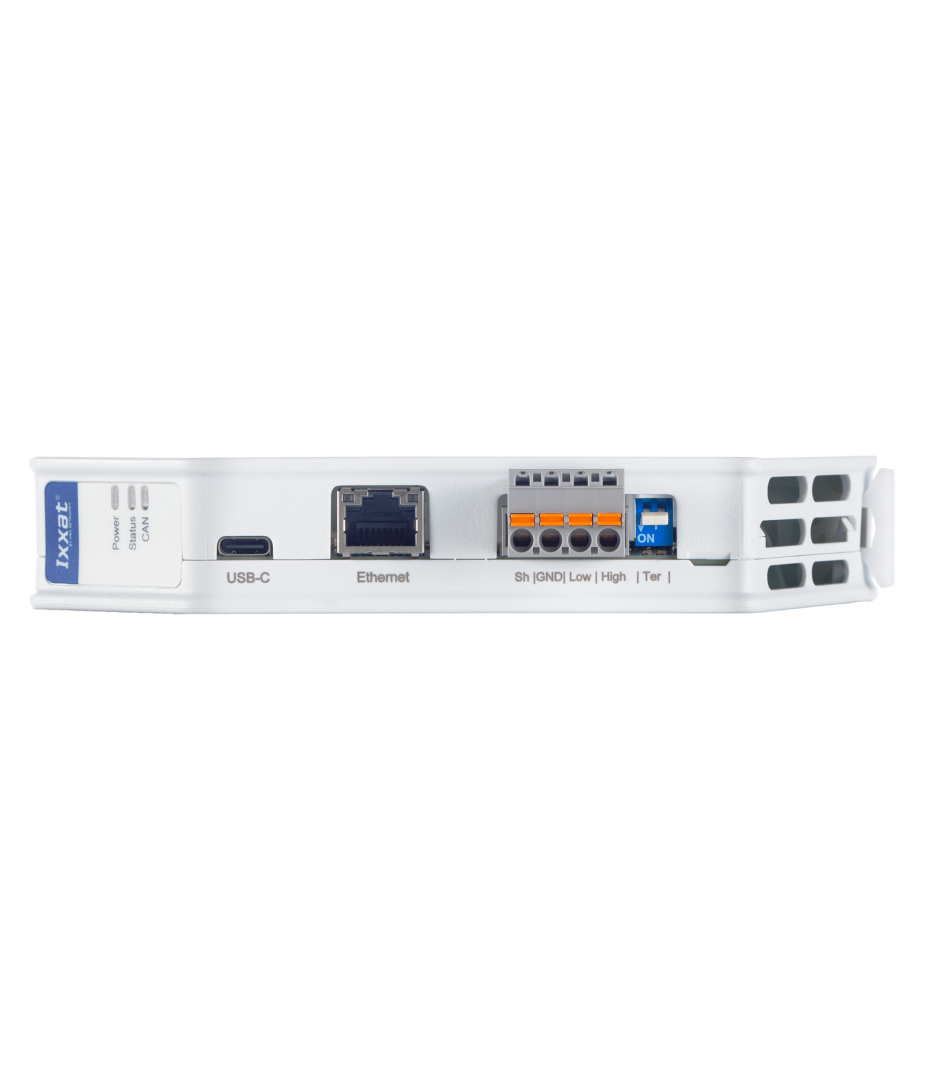
Yes, a terminating resistor is built in, but it is disabled by default. It can be turned on or off using a small switch by possibly opening the housing.
-
How do I choose the right CAN gateway?
Choosing the right CAN gateway depends, among other things, on the desired CAN protocol, the intended application, the desired bus speed and electrical isolation, data processing requirements, the length of the network, the acceptable processing delay, any available installation space, the intended use, and, of course, the available budget.
Twincomm is a center of expertise for CAN and has over 30 years of experience with CAN. Please contact us and we’ll provide practical advice to help you make the right choice.
-
Does this gateway support CANopen or J1939?
Yes, the CAN@net Basic works with all CAN messages, including CANopen and J1939
However, the CAN messages are not interpreted as CANopen or J1939. In filter and mapping tables, or action rules, for example, the messages are treated as standard CAN messages. enquire about the configuration options.
-
Can I order on account?
Yes, that's definitely possible! Most customers place their orders through a Purchase Order.
First request a quote and then send the purchase order (PO) by email, simply from your own purchasing system. For first time buyers, we may ask additional questions in order to perform a credit check. Please contact us if you require our company details for registration in the purchasing system.
For security reasons, customers located in, or wishing to ship to, countries outside the Benelux must always pay in advance. -
Why are all prices available upon request?
The online webshop is still under construction. As soon as it is available, all prices will naturally be visible.
However, everything is of course available, and we would be happy to inform you about prices and delivery times. Please contact us or give us a call. We have over 30 years of experience with CAN. We are happy to help you and offer you immediate practical advice or support.
Part number(s)
| 1.01.0335.10000 | CAN@net Basic 1x CAN FD, Switchable Bus Termination, Galvanic Isolation Country of Origin: Germany HS Code: 8517620000 |
Scope of Supply
CAN@net Basic
- User Manual 1
- Configuration software for Windows® 2
2 All software available by download
Interested?
Are you interested in the CAN@net Basic? Request a quote without obligation. Would you like more information? Send an email to -Hidden- or visit our contact page. You can also call us at -Hidden-.
Twincomm has over 30 years of experience with CAN. We are happy to help you and offer you immediate practical advice or support.