

PCAN-PCI
On request
Request for quote
Ask a question
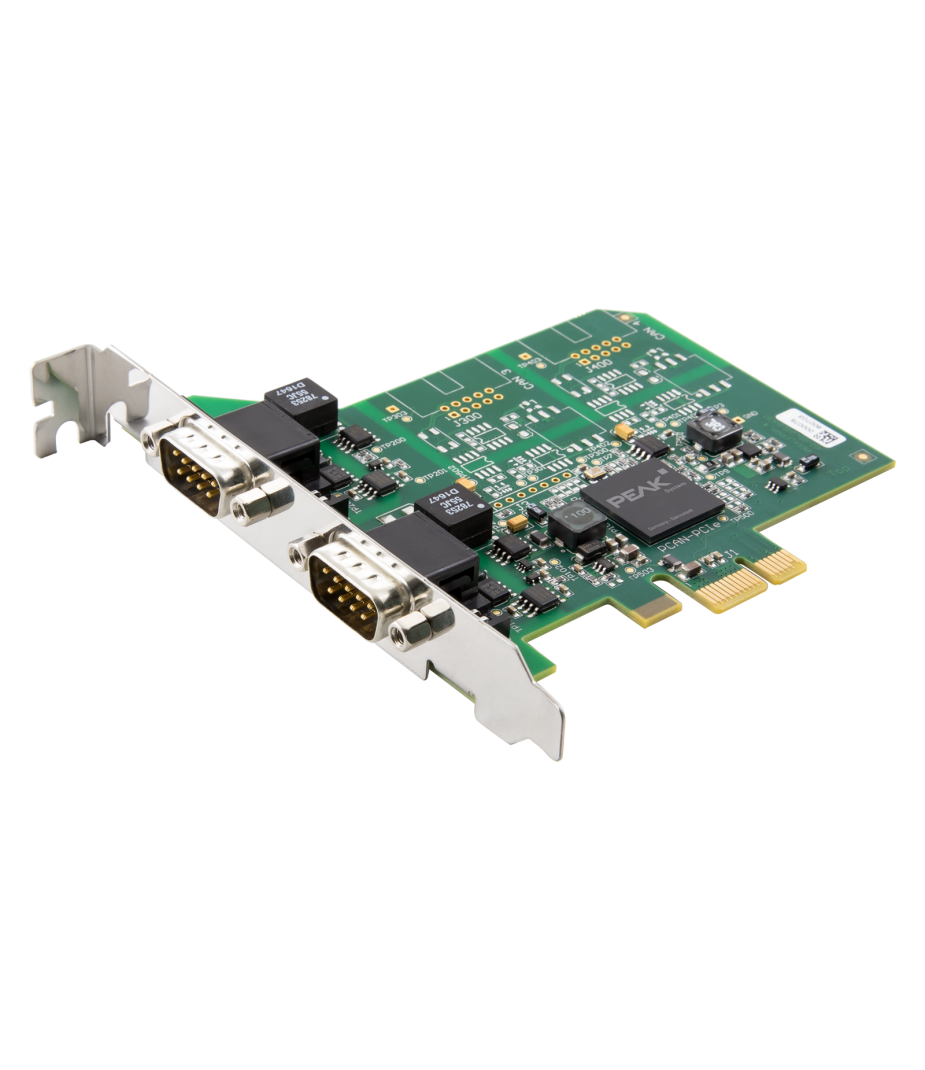
The Peak PCAN-PCI is a powerful and reliable CAN interface with up to two CAN channels. Furthermore, the card is specifically designed for industrial PC systems with a PCI slot. This allows you to easily connect computers to a CAN bus network. In addition, the interface offers a cost-effective solution for industrial communication. During integration, the setup remains clear and user-friendly. The card also supports various CAN applications in automation and machine building. For example, industrial control systems, test setups, and embedded systems benefit from stable CAN communication. Although integration is straightforward, the interface still delivers high performance. That is why the PCAN-PCI is suitable for reliable and long-term use. In short, this CAN interface card combines flexibility, stability, and easy integration in a wide range of industrial environments.
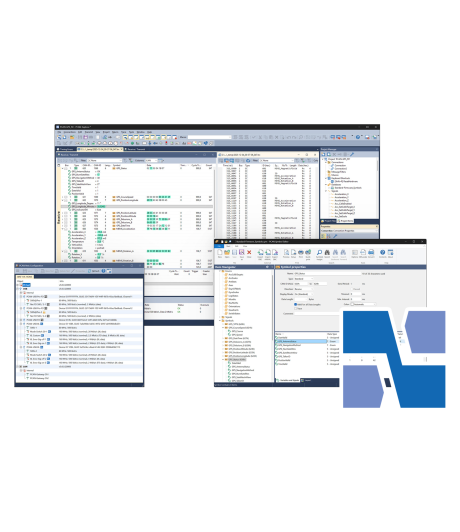
The PCAN View bus monitor for Windows® is included as standard. This software is suitable for rapid CAN diagnostics, hardware testing, and reading CAN messages. For comprehensive CAN analysis and simulation, there is the PCAN Explorer 7. This professional software supports the development, debugging, logging, and testing of CAN networks. Read the FAQ below for advice on the best CAN analysis software for your specific situation.
The PCAN-PCI is available with one or two CAN channels. Additionally, there are versions with galvanic isolation and versions without, depending on the desired protection and application. Read the FAQ for more information.
Features and benefits
- Max 2x CAN interface card
- Cost-effective, passive CAN interface card for PCI Express
- Galvanic Isolation between network and interface card (optional)
- CAN communication up to 1 Mbit/s via D-Sub9 connectors
- Includes CAN Bus Monitor software for Windows®
- Universe driver for easy exchange between different Peak interfaces
- Powerful programming interface for Windows® and Linux (incl. SocketCAN)
Tech Specs
Controller
CAN Mode
CAN Baudrates
CAN Transceiver
Galvanic Isolation
Connector
PC Form Factor
Full height
PC Interface
5V or 3.3V
Driver
Power Supply
Current Consumption
Temperature
Storage -40 °C to +100 °C
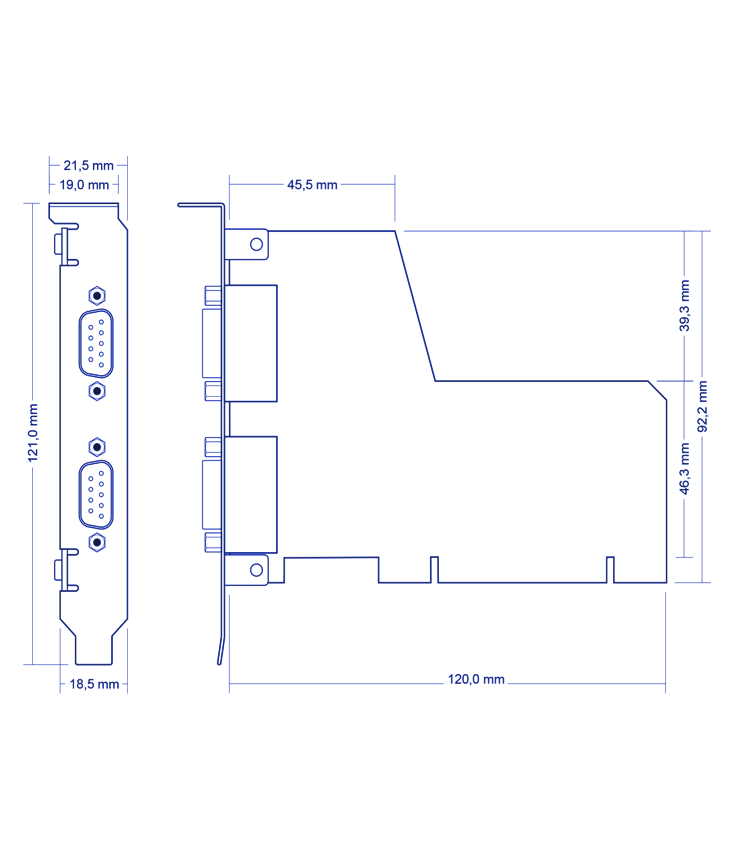
Dimensions
Certification
CAN Bus Monitor
Peak PCAN-View
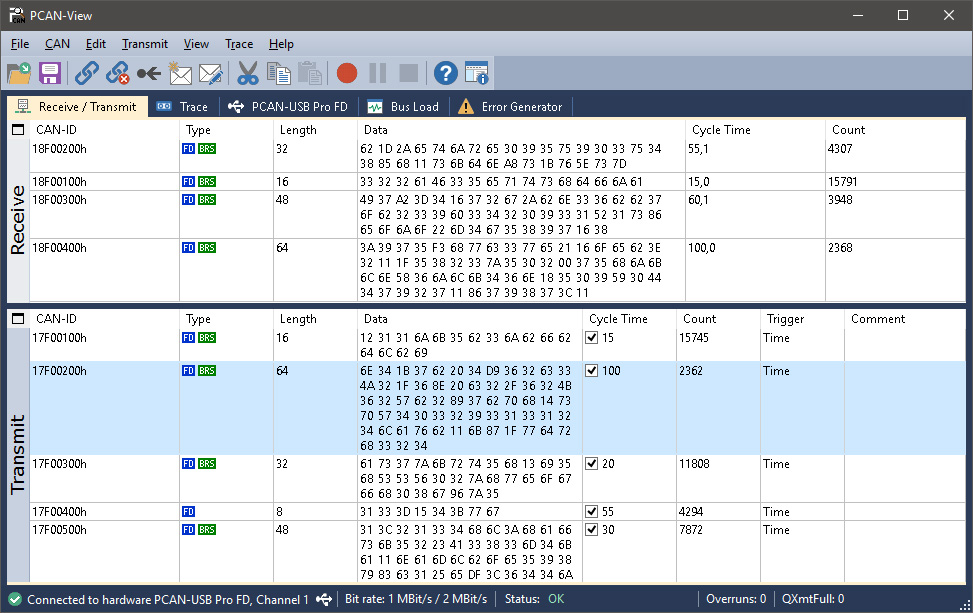
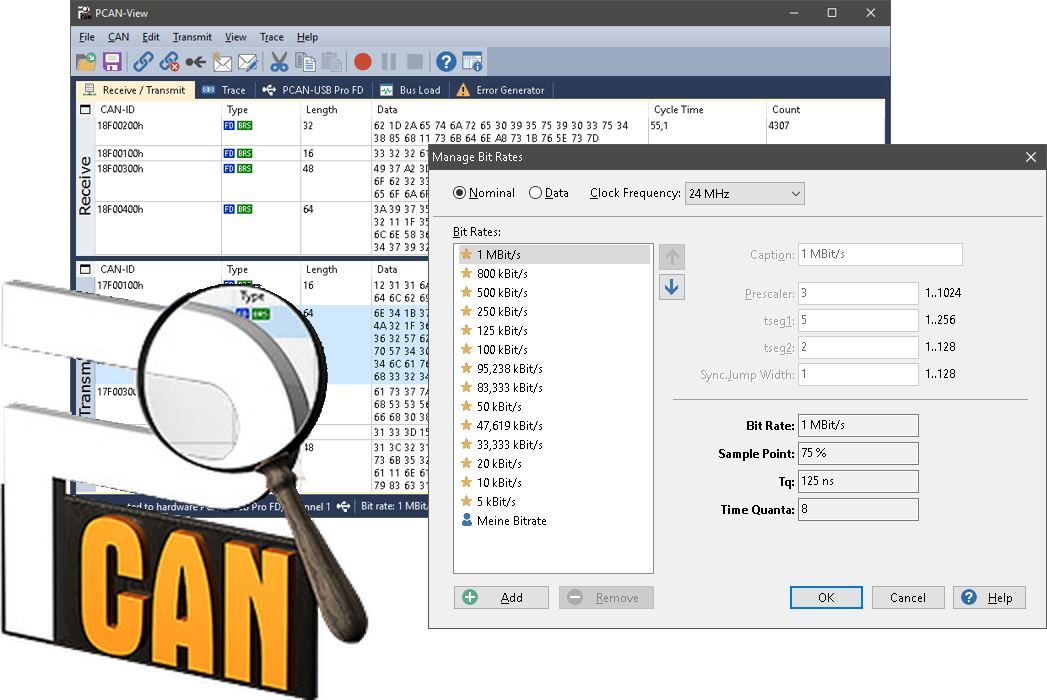
For basic testing purposes and start-up, PCAN-View – a CAN bus monitor for Windows® – is included. The software is installed when the driver package is installed under Windows®.
This monitor can be used to display CAN messages with timestamps, message IDs, and data using PCAN-PCI. A trace function allows the received data to be written directly to the hard drive. CAN messages are sent from a list in which the CAN messages have been entered. Installed interfaces are displayed with the available CAN controllers, the current bus load and the controller status. PCAN-View also supports CAN-FD in combination with interfaces that support these protocols.
Common Driver
Peak Device Driver
PCAN is available for the PCAN-PCI, which is a synonym for ‘Peak CAN Applications’. This is a flexible system for planning, developing and using Controller Area Networks (CAN). It is a powerful product for both developers and end users.
The PCAN system consists of a collection of Windows® device drivers. These enable a real-time connection between Windows® applications and all CAN buses that are physically connected to the PC via PCAN hardware. These drivers allow all CAN channels and all CAN interfaces – even different types – to work together within a single PC.
These powerful driver packages support all CAN boards, regardless of their PC interface, with a uniform programming interface (API). This means that applications based on the API can be used with all Peak CAN without having to modify the application programme. The drivers support multiple CAN channels and/or multiple boards – even different types – to create the desired number of channels.
Features and benefits
- Common application programming interface (API) for all supported operating systems and interfaces
- Simultaneous support of multiple CAN channels and interface boards
- Classic CAN (11 bit, CAN 2.0A), extended protocol (29 bit, CAN 2.0B), CAN FD and CAN XL1
- Slim communication interface while supporting all required mechanisms for an easy operation of the interface
- Detection and display of error frames on the bus
- Measurement and display of the bus load (only with active CAN cards)
- Possible operation in "Listen only mode" 1 For interfaces that support these protocols
Programming environment
Programeerinterface "PCAN-Basic"
The PCAN-Basic programming interface (API) provides basic functions for connecting your own programmes to the CAN and CAN FD interfaces from PEAK-System. PCAN-Basic is the interface between the programme and the driver. In Windows® operating systems, this is a DLL (Dynamic Link Library) and in Linux operating systems, it is an SO (Dynamic Shared Object). PCAN-Basic is designed to be compatible with different operating systems. Software projects can be transferred between supported systems with little effort.
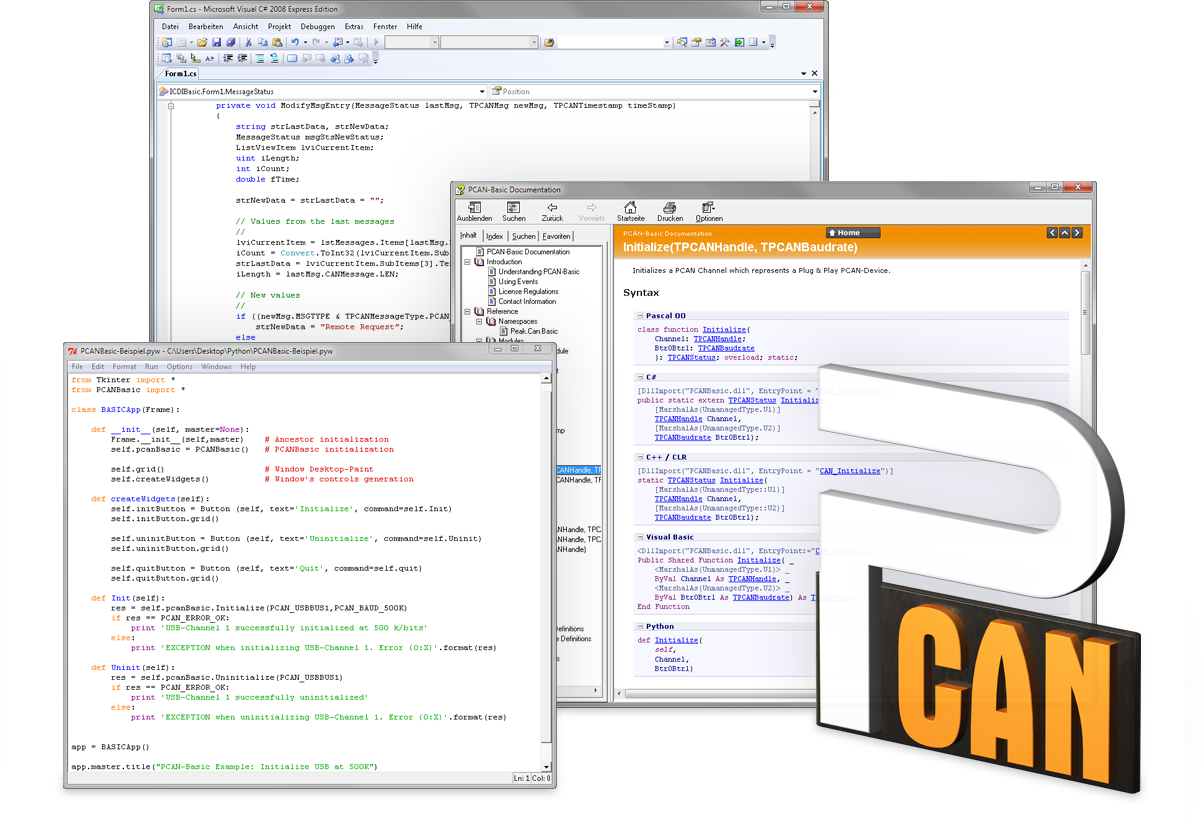
When installing the driver under Windows®, the DLL files of the PCAN-Basic API are placed in the system folder. Examples for all common programming languages, as well as libraries and help files, are available as a download package.
FAQ
-
Should I choose a CAN interface with or without galvanic isolation?
A PCAN-PCI with galvanic isolation offers improved noise immunity and prevents ground loops. The potential differences caused by separate power supplies for different CAN nodes do not affect transmission quality. In addition, it protects the device from damage to the electronics caused by power surges.
We generally recommend galvanic isolation.
However, galvanic isolation reduces the maximum possible CAN bus length by approximately 10 metres (50 ns delay).
Please note that the CAN_GND is always connected, even when galvanic isolation is used. -
Are CAN terminating resistors built into the PCAN-PCI?
Yes, terminating resistors are built in, but they are disabled by default. The termination can be activated using a solder bridge, for each desired CAN-channel, which requires special tools.
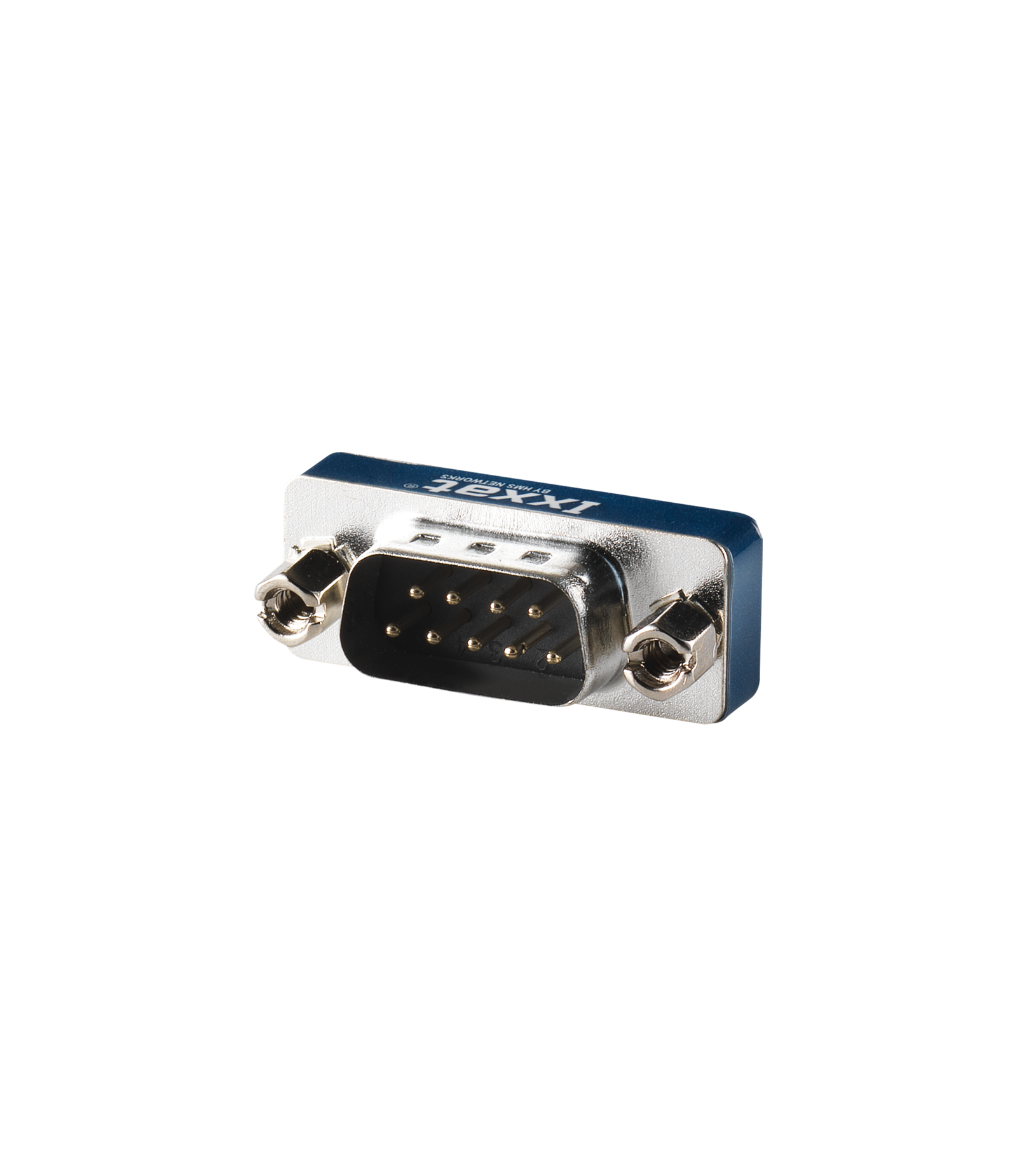
As a convenient alternative, we can offer the Termination adapter CAN/ CAN FD as an accessory. It can be easily installed between the D-sub 9 connector and the cable without any tools, for each desired CAN channel. -
How do I choose the right PC to CAN interface card?
Choosing the right CAN interface card depends, among other things, on the desired CAN protocol, the intended application, the type of PC slot available, the available installation space, the intended use, and, of course, the available budget.
Although CAN is standardized, CAN hardware and PC drivers . It is important to consider which software or development tools are needed before choosing a specific interface.Twincomm is a center of expertise for CAN and has over 30 years of experience with CAN. Please contact us and we’ll provide practical advice to help you make the right choice.
- What is the difference between an active and a passive CAN interface card?
-
Which PEAK CAN analysis software is best suited to my use case?
PCAN View and PCAN Explorer 7 are versatile CAN analysis tools for developing, testing, and maintaining CAN and CAN FD systems. Explorer 7 also supports CAN XL. PCAN View offers a basic set of features, while PCAN Explorer 7 offers more and advanced features that can also be expanded with add-ins.
PCAN View is included free of charge with the PEAK driver. It is ideal for quick diagnostics or hardware testing, for example. Explorer 7 is comprehensive, professional software designed for development, debugging, simulation, or (automated testing) of CAN, CAN FD, and/or CAN XL networks. Please contact us for a demo version of Explorer 7.Zowel PCAN View als PCAN Explorer 7 zijn bedoeld voor een typisch gebruiksscenario. De onderstaande tabel geeft een handig overzicht van alle verschillen.
Functions Module PCAN View Explorer 7 Measurement configuration Supported bus controllers Channels 1 64 Supported CAN protocols
CAN
CAN FD
CAN XLChannels Transmission Transmitting messages in layer 2 format via broadcasting lists (one-off/cyclic) Transmit Transmitting sequences in layer 2 format to emulate CAN-nodes Transmit Reception and display Display received messages
- Scroll view
- Overwrite modeReceive Filtering during reception or recording Filter Symbolic representation via Symbol files Symbol Symbolic aditor Symbol Symbolic import from CANdb Import or AUTOSAR XML CANdb add-in Recording/Playback Recording on hard disk
- Maximum sizeRecord
1 GBFilter and trigger functions during recording Filter Playback of recordings on the buses for analyzing Replay Playback break pints and single step Replay Workflow management Project and task management Workflow Phyton
VBScriptAutomation of tasks Automation Phyton
VBScriptTake actions triggered by CAN Automation Phyton
VBScriptJ1939 Support Display of J19839 and J1939 FD messages J1939 Add-in Adresclaiming, Multi-packet or DTC's J1939 Add-in Configurable Display of Signal Curves Graphical real-time display of signals Plotter Add-in Display of limiting values and value ranges Plotter Add-in Signal Display and Manipulation Representation of analog and digital signals with displays Panel Add-in Adding controls to manipulate transmit messages Panel Add-in -
Does this interface support CANopen or J1939?
Yes, the PCAN-PCI works with all CAN messages, including CANopen and J1939
However, the CAN messages are not interpreted as CANopen or J1939. Separate software is available for generating or interpreting CANopen or J1939. Please enquire about the options.
-
Can I order on account?
Yes, that's definitely possible! Most customers place their orders through a Purchase Order.
First request a quote and then send the purchase order (PO) by email, simply from your own purchasing system. For first time buyers, we may ask additional questions in order to perform a credit check. Please contact us if you require our company details for registration in the purchasing system.
For security reasons, customers located in, or wishing to ship to, countries outside the Benelux must always pay in advance. -
Why are all prices available upon request?
The online webshop is still under construction. As soon as it is available, all prices will naturally be visible.
However, everything is of course available, and we would be happy to inform you about prices and delivery times. Please contact us or give us a call. We have over 30 years of experience with CAN. We are happy to help you and offer you immediate practical advice or support.
Part number(s)
| IPEH-002064 | PCAN-PCI 1x CAN Country of Origin: Germany HS Code: 8517620000 |
|
| IPEH-002065 | PCAN-PCI 2x CAN Country of Origin: Germany HS Code: 8517620000 |
|
| IPEH-002066 | PCAN-PCI 1x CAN, Galvanic Isolation Country of Origin: Germany HS Code: 8517620000 |
|
| IPEH-002067 | PCAN-PCI 2x CAN, Galvanic Isolation Country of Origin: Germany HS Code: 8517620000 |
Options(s)
-
There are some useful options available for the PCAN-PCI

Termination adapter CAN/ CAN FD
CAN-bus termination resistor
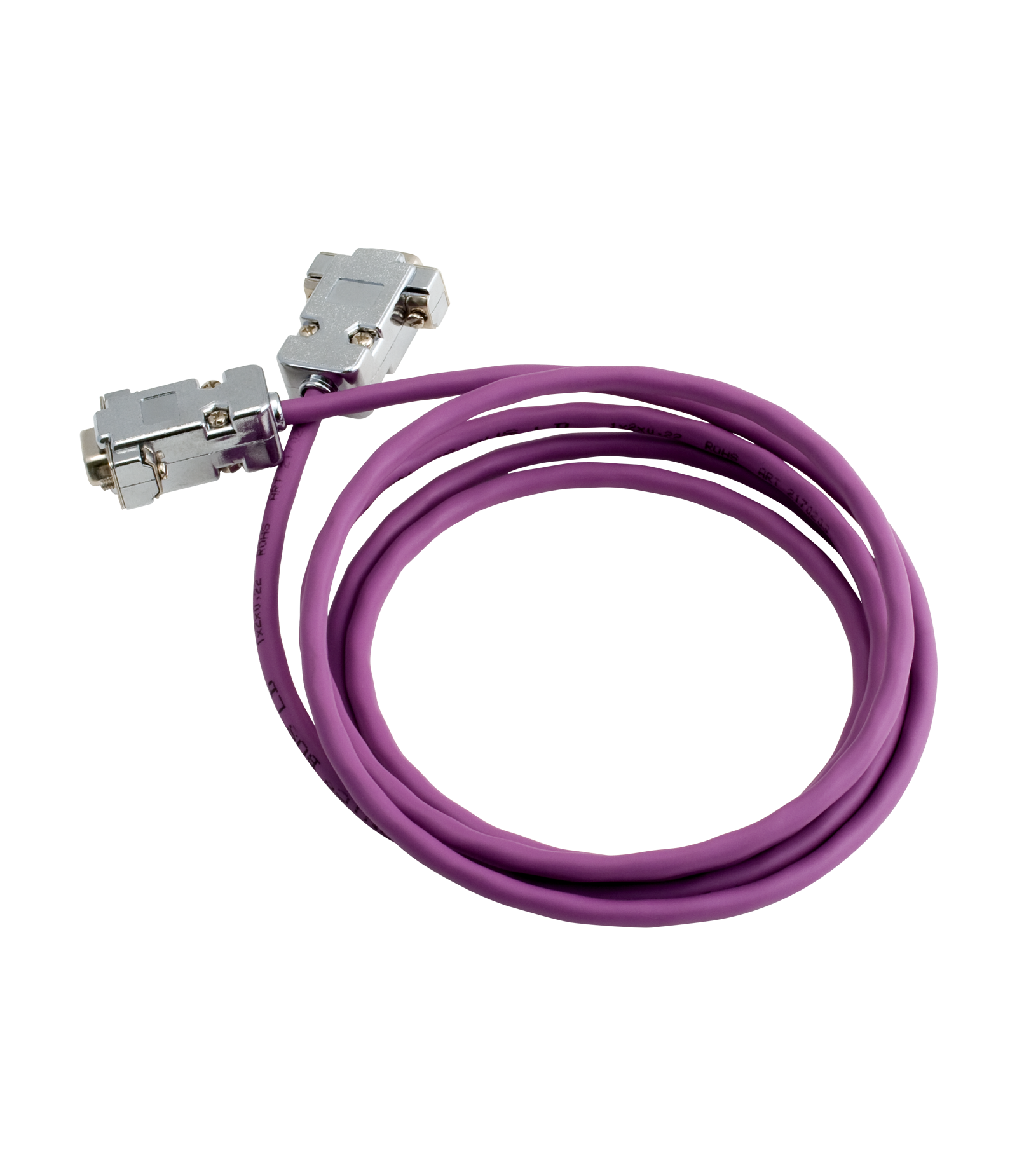
PCAN-Cable 1 & 2
Connection Cable for CAN and CAN FD
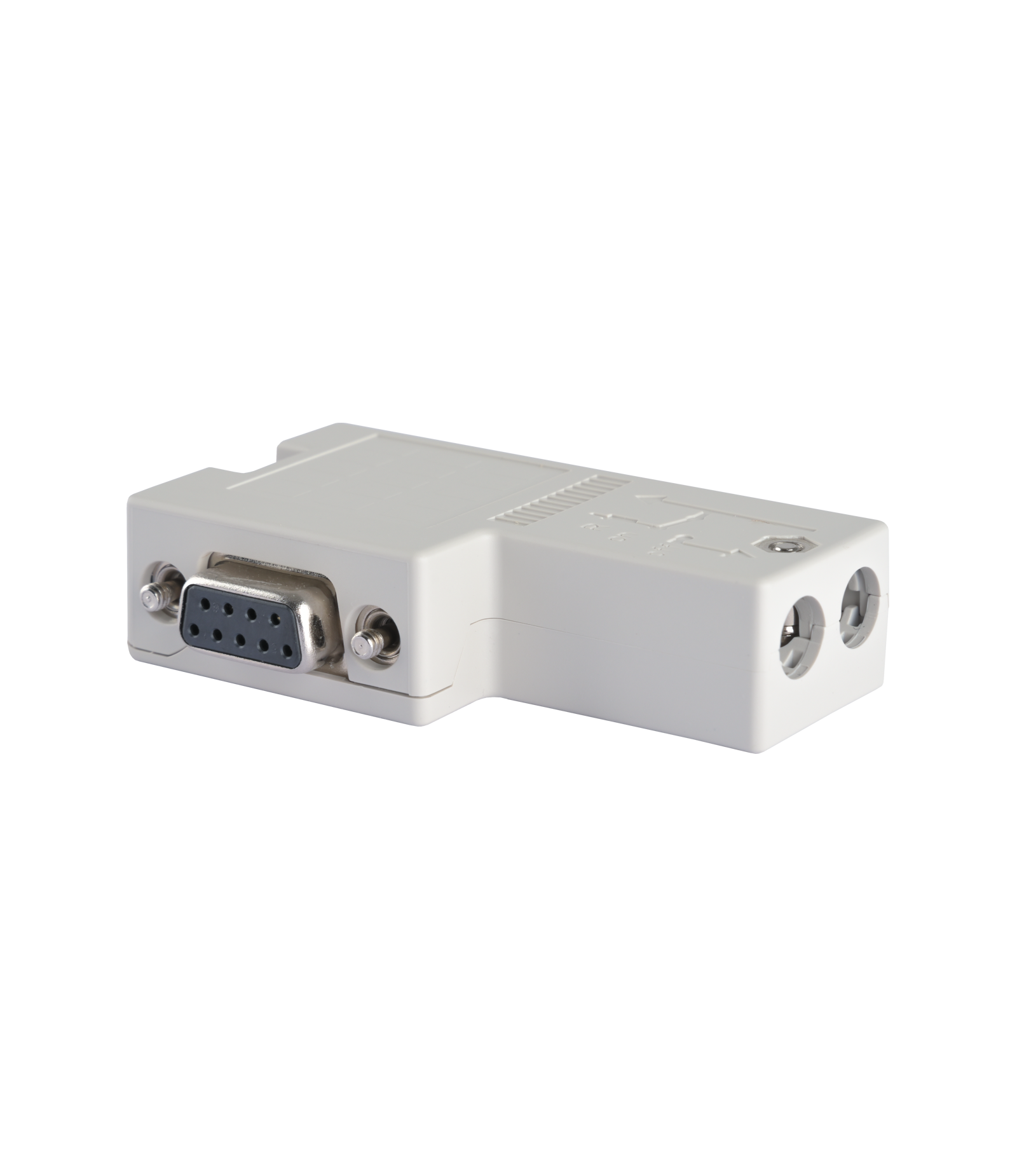
D-Sub 9 connector CAN/ CAN FD
D-Sub 9 connector with switchable termination resistor
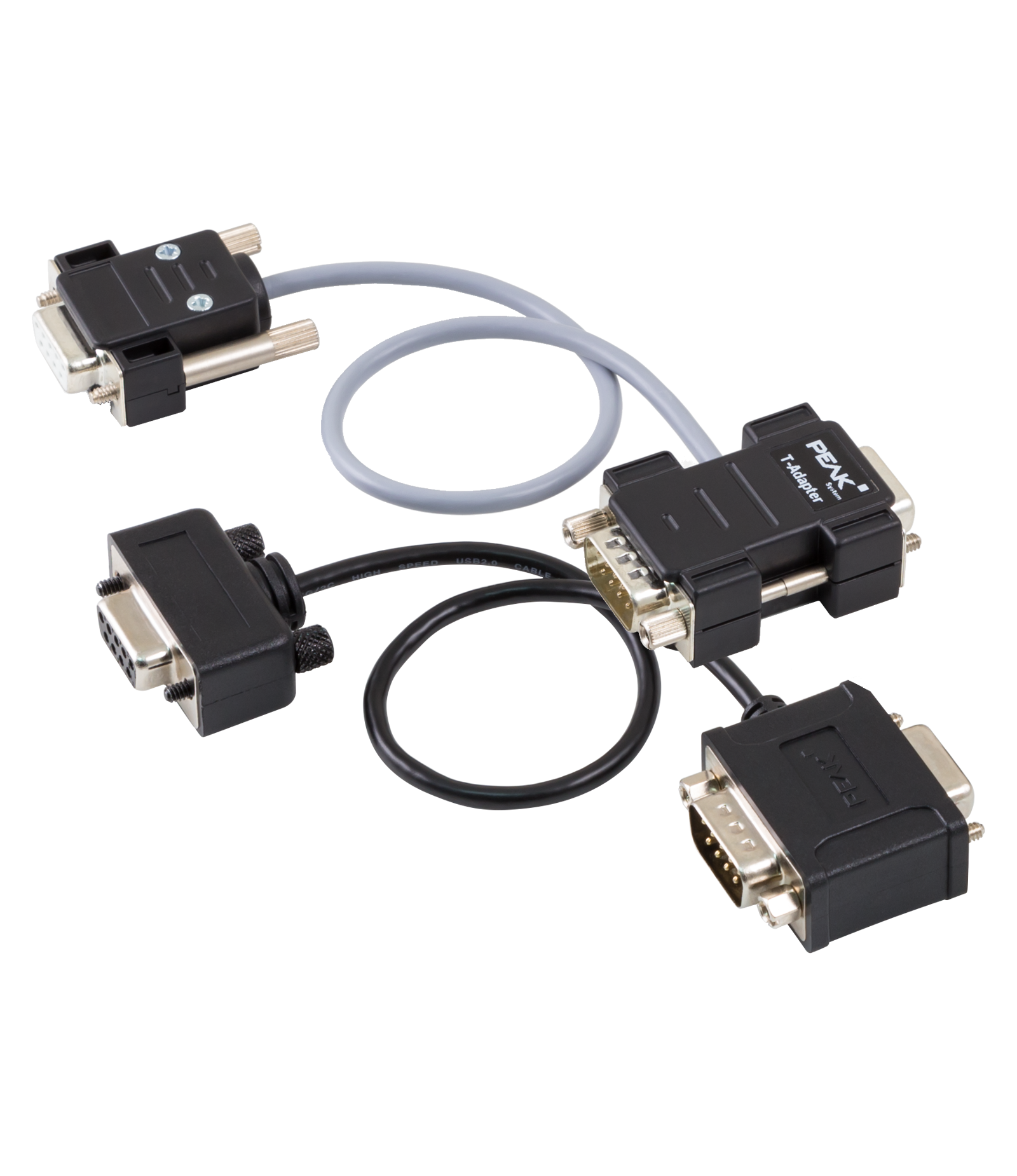
PCAN-T-Adapter
Adapters for a Tap Connection on to CAN or CAN FD
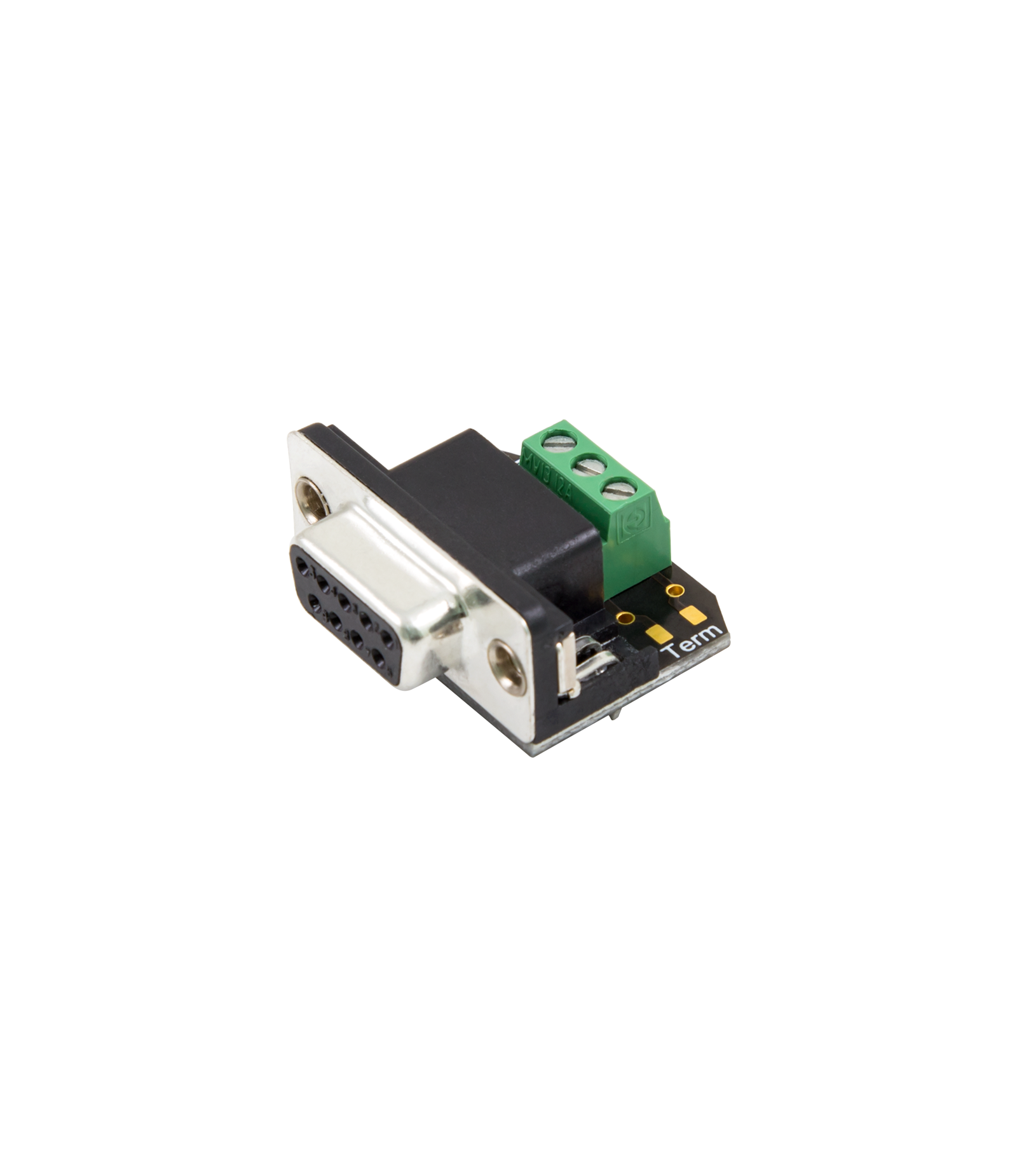
PCAN-Adapter D-Sub to Screw Terminals
D-Sub Adapter for Loose CAN Cable Ends
Scope of Supply
PCAN-PCI
- User Manual 1
- Peak Driver voor Windows® 11 (x64/ARM64)
- Bus-monitor "PCAN-View" for CAN (Windows®) 2
- Programming interface and API "PCAN-Basic" for developing CAN applications 2
2 All software available by download
Interested?
Are you interested in the PCAN-PCI? Request a quote without obligation. Would you like more information? Send an email to -Hidden- or visit our contact page. You can also call us at -Hidden-.
Twincomm has over 30 years of experience with CAN. We are happy to help you and offer you immediate practical advice or support.